
- Roofing Guidance
- Industries We Serve
Roofing Where a Leak Is a Food Safety Problem, Not Only a Maintenance Call
Cold storage and food processing buildings scattered through the Business Depot Ogden corridor and the distribution parks toward Clearfield carry a roofing risk that's different in kind from a standard warehouse: a leak over refrigerated product or a processing line goes beyond water damage - it's a potential contamination event that shows up on your next audit.
Vapor Barriers Matter More Than the Membrane
On a refrigerated or freezer building, the roof assembly's vapor barrier does as much work as the membrane on top of it. Warm, moist air migrating up from outside into a cold roof deck condenses inside the insulation if the vapor barrier is compromised, and that moisture builds up invisibly for months before it shows up as sagging insulation, ceiling staining, or worse, mold growth above a processing area. We treat vapor barrier continuity as a primary inspection item on these buildings, not an afterthought behind membrane condition.
A lot of roof problems on cold storage buildings actually start as vapor barrier failures that get misdiagnosed as membrane leaks, because the symptom - a wet spot on the ceiling - looks the same from below regardless of cause. Fixing the membrane without addressing a vapor barrier breach solves nothing and the same wet spot comes back within a season.
Condensation From What's Underneath, Beyond What's Falling From Above
Refrigeration equipment, ammonia systems, and process condensers mounted on or near the roof create their own moisture and thermal challenges that a standard commercial roof detail doesn't anticipate. Condensate drain lines that discharge onto the roof surface instead of to a proper drain accelerate membrane wear at that exact spot, and we regularly find isolated membrane failure directly beneath a condenser unit that's been quietly dripping onto the same six square feet for years.
Audit-Ready Documentation, Beyond an Invoice
Food processing facilities operate under audit schedules - USDA, third-party food safety certifications, corporate quality programs - and a roof repair or reroof needs paperwork that satisfies that process, more than a paid invoice alone. We provide material data sheets, photo documentation of the completed work, and clear records of any penetration or repair location that a quality manager can hand directly to an auditor without having to track us down for backup documentation months later.
- Vapor barrier inspection as a standard part of any cold storage roof evaluation, not an add-on
- Condensate drain lines checked and rerouted properly rather than left to discharge onto the membrane
- Interior protection protocols during any work above active processing or storage areas
- Material and warranty documentation formatted for a facility's own quality or audit file
- Repair location logs that tie back to your facility's own roof plan or zone numbering
Working Above an Active Processing Floor
Cutting into a roof deck above a running production line or refrigerated storage area carries real contamination risk if it's not managed carefully. We use interior protection and containment appropriate to the space below before opening any section of deck, and we coordinate timing with your quality team so work above sensitive areas happens when the line is down or product has been cleared, not mid-run.
Temperature-controlled buildings also add a scheduling constraint most roofers never think about: opening a section of deck on a freezer building during summer heat forces the refrigeration system to work harder for every hour that section stays exposed. We plan tear-off sequencing to minimize open-deck time specifically to limit that load, beyond the ordinary goal of moving the schedule along faster.
Where Generic Roofing Bids Miss the Point on These Buildings
We've seen bids for cold storage reroofs that price the membrane and insulation package but never mention vapor barrier continuity at all, which on a freezer building is close to malpractice. A roofer who treats a cold storage building like a standard warehouse with a lower thermostat setting hasn't accounted for the moisture dynamics that actually drive failures on these roofs.
Systems Suited to Refrigerated and Processing Buildings
We typically spec TPO or PVC membranes for chemical and grease resistance near processing lines, paired with a properly detailed vapor barrier and insulation package sized for the interior temperature differential rather than a standard commercial R-value.
Questions From Food Processing and Cold Storage Facility Managers
How do you know if a leak is a vapor barrier issue versus a membrane issue?
We look at the pattern and location of moisture, insulation condition when we can access it, and whether the symptom correlates with interior temperature differential rather than storm events, which points toward vapor barrier rather than surface membrane failure.
Can you provide documentation for our next food safety audit?
Yes, we format material data, photos, and repair records so they can go directly into your facility's audit file.
Will roof work contaminate our processing floor or stored product?
We use interior containment and coordinate timing with your quality team specifically to prevent that, and we won't cut into a deck above an active area without that plan in place.
How often should a cold storage roof be inspected?
More often than a standard warehouse roof, given the added vapor barrier risk. Twice-yearly inspection is common on refrigerated buildings, with an additional check after any major storm.
What causes isolated wet spots directly under rooftop refrigeration equipment?
Usually a condensate line discharging onto the membrane instead of to a proper drain, which we check for specifically on any cold storage inspection.
Questions About Food Processing & Cold Storage Facility Roofing in Ogden, UT
Ready to Review the Roof?
Industries We Serve
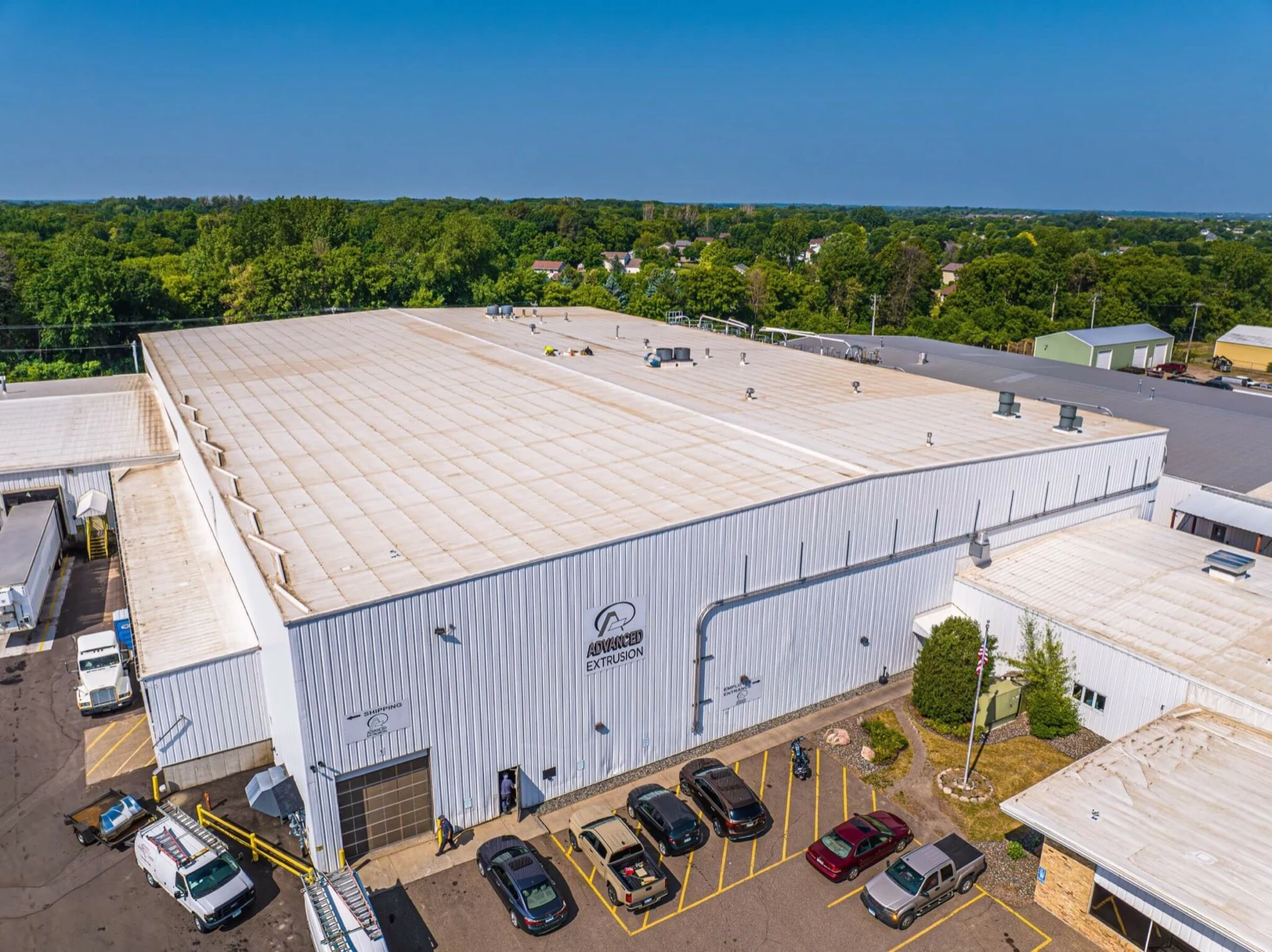
Roofing for food processing and cold storage facility managers near Ogden: vapor barrier detailing, condensation control, and audit-ready documentation.
Plan the Next Step