- Roofing Guidance
- Service Areas
Commercial Roofers in Morgan
Commercial roofing in Morgan should begin with a documented assessment of membrane condition, seams, flashings, drainage, penetrations, and moisture before repair, coating, or replacement is selected. Morgan is a county seat up Weber Canyon, and its commercial roofing splits into two very different categories - public buildings tied to county government, and private manufacturing facilities connected to Browning's long presence here. Those two categories get bid completely differently, and conflating them is where a lot of confusion starts.
County Seat Commercial Up Weber Canyon
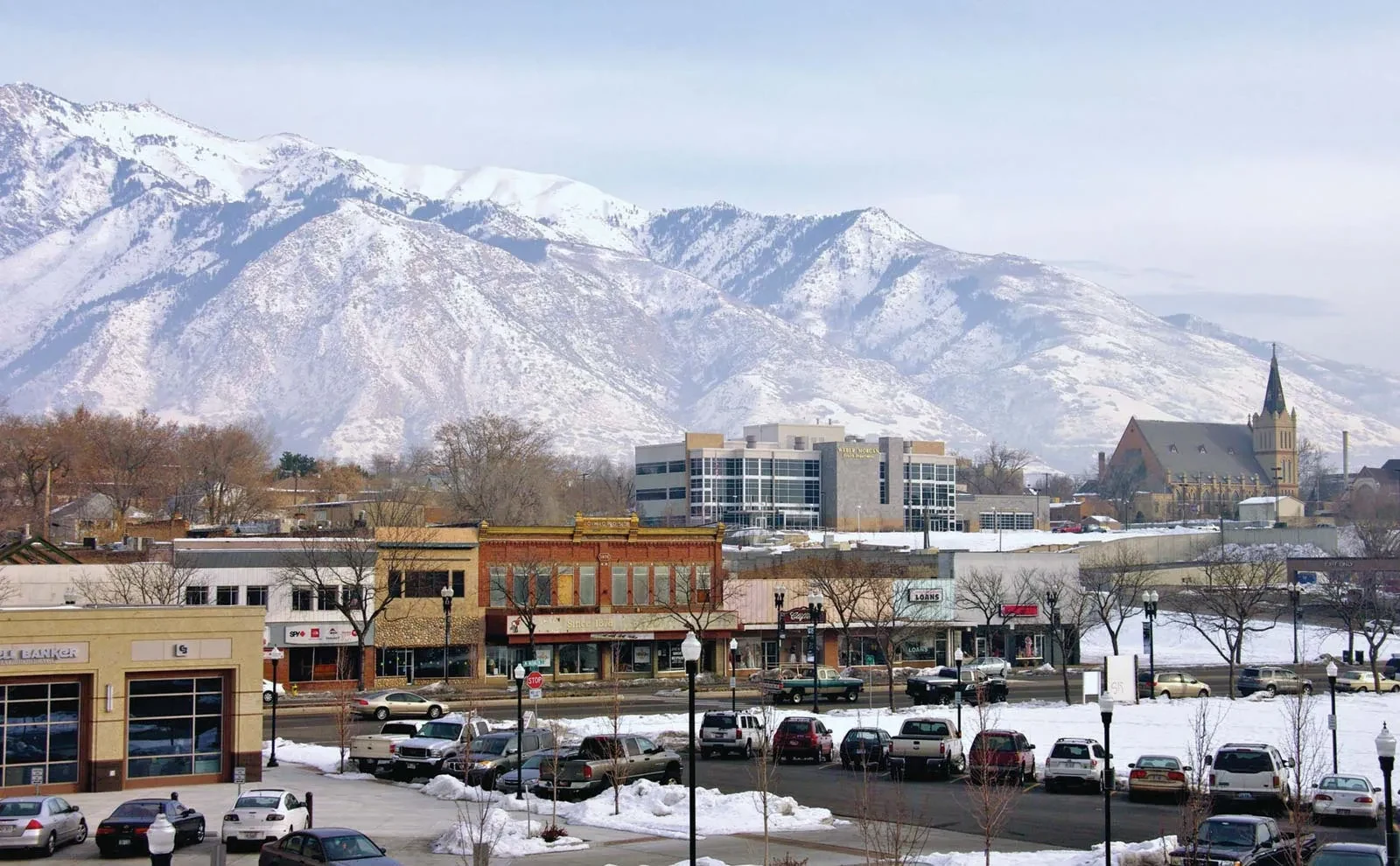
Morgan sits far enough up the canyon that it functions somewhat separately from the Ogden-area valley floor towns, with its own small commercial core tied to county government and the businesses that serve it - courthouse and county office buildings, a handful of retail and professional offices downtown. It's a small commercial base relative to Ogden proper, but a stable one tied to county functions that aren't going anywhere.
Canyon elevation here also means real winter weather - heavier and more sustained snow load than the valley floor sees, which affects both roof design and how often maintenance and snow-related inspections make sense.
Access itself can be a scheduling factor in a bad winter. Interstate 84 through the canyon sees closures during heavy storm events, and a crew or material delivery scheduled without accounting for that possibility risks a delay that a valley-floor job wouldn't face. We build a wider weather buffer into Morgan project timelines than we would closer to Ogden.
Public Bid Requirements on County Buildings
Roofing work on Morgan County government buildings typically runs through a public bid process, which comes with requirements a private job doesn't - formal bid documentation, prevailing wage considerations, and procurement rules the county has to follow regardless of which contractor ultimately does the work.
We treat a public bid differently from the start: documentation has to be complete and compliant before price even enters the conversation, and the lowest bid on paper isn't automatically the right choice if it doesn't meet the procurement requirements the county is bound by. Owners on the private side sometimes assume county bidding works the same way private negotiation does - it doesn't.
Public buildings also tend to carry longer decision timelines, since approval often has to go through a commission or council meeting rather than a single owner signing off. We factor that into our proposal timing so pricing stays valid through the actual decision-making process instead of expiring before the county's ready to act.
Manufacturing Roof Requirements at a Facility Like Browning's
Browning's long manufacturing presence in Morgan means there's real industrial roof stock in a town this size - production and warehouse buildings with the kind of roof demands you'd expect from continuous manufacturing operations: rooftop equipment tied to production processes, tighter tolerances around downtime during roof work, and often stricter documentation for insurance and safety purposes than a typical commercial building.
Fall protection and access planning also carry more weight on an active manufacturing roof than on a vacant retail building, since crews are frequently working above occupied production space rather than empty square footage. We coordinate safety planning with the facility's own procedures rather than showing up with a generic commercial job site plan.
Scheduling matters more on a facility like this than on most commercial jobs - roof work has to be coordinated around production schedules so a reroof doesn't become a production stoppage. We plan phasing with the facility's operations in mind rather than treating it like a standard commercial project.
What Changes Between a Public and Private Bid
The physical roofing work on a county building and a manufacturing facility might use similar systems, but the process around getting the job - documentation, scheduling constraints, decision-makers involved - is different enough that treating them the same in a proposal misses what actually matters to each owner.
We ask which category a project falls into at the very first conversation, because it changes what documentation we prepare before we ever set foot on the roof. Showing up to a public bid meeting without the right paperwork wastes everyone's time, and quoting a manufacturing job without asking about production schedule does the same on the private side.
- Public bid documentation and procurement compliance confirmed before pricing county work
- Production schedule coordination built into any manufacturing facility proposal
- Snow load design accounting for Morgan's higher canyon-elevation accumulation
- Insurance and safety documentation matched to what an industrial facility actually requires
- Realistic timeline communicated up front, since canyon weather can affect scheduling more than valley-floor jobs
Neither category is more complicated than the other, but the process differs enough that a contractor quoting both the same way is missing something on one side or the other.
Morgan Roofing Questions
Does county building roofing always have to go through a formal bid process?
Typically yes, for public projects above a certain threshold. We confirm requirements with the county before submitting anything.
How does snow load in Morgan compare to the valley floor towns?
Higher canyon elevation generally means more sustained snow accumulation than Ogden or the bench communities see, which factors into roof design and drainage.
Does manufacturing facility roof work require shutting down production?
Not necessarily - phased scheduling can often avoid a full shutdown, but it has to be planned around the facility's actual production calendar.
Are prevailing wage requirements always in play on county work?
It depends on funding source and project size. We check the specific requirements for each county project rather than assuming.
Is manufacturing facility roofing more expensive than a comparable commercial building?
Often, because of scheduling constraints and stricter documentation requirements, even when the roof system itself is similar.
Questions About Commercial Roofing Contractors Morgan, UT
Ready to Review the Roof?
Service Areas
Commercial roofing contractors serving Morgan, UT with commercial roof repair, replacement, coatings, maintenance programs, inspections, and documented roof reports.
Plan the Next Step