
- Roofing Guidance
- Service Areas
Commercial Roofers in Sunset
Commercial roofers serving Sunset should document leak sources, wet insulation, drainage, edge details, penetrations, and repair history before recommending a scope. Sunset's commercial strip along Main Street is older stock - small storefronts, a few offices, buildings that have been reroofed and patched more than once over the decades. The question we get asked most often here isn't which membrane to use, it's whether the roof needs replacing at all.
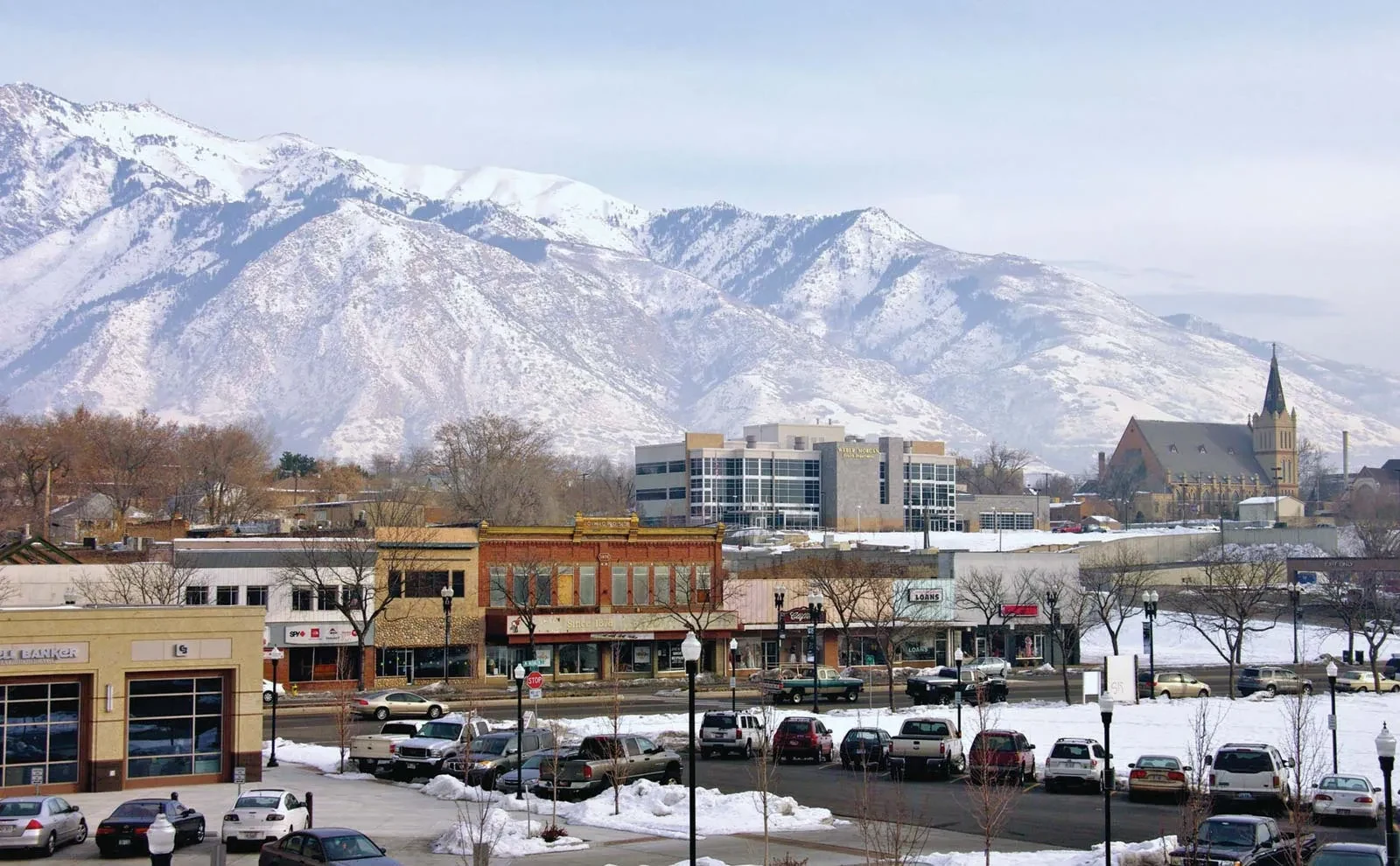
The Roof Stock Along Sunset's Main Street
A lot of these buildings are running modified bitumen or older built-up systems, some with a single-ply layer added over the top at some point. Layered histories like this aren't unusual on a Main Street this age, but they make an honest assessment harder than it looks from the ground.
Every one of these roofs has a different repair history, and that history matters more than the building's age alone. A twenty-year-old roof with one clean install and regular maintenance can outperform a twelve-year-old roof that's been patched six times by six different contractors with six different materials.
Because these are small, older commercial buildings, a lot of them share walls or sit close enough together that roof drainage from one building can affect the one next to it. We check that adjacency during any Sunset inspection, since a scupper discharging onto a neighboring roof or a shared parapet with mismatched flashing histories is a common source of disputes between adjoining owners.
Reading a Roof That's Been Patched Before
When we walk a Sunset roof with a repair history, we're looking for how the patches were done as much as where they are. Incompatible patch materials - the wrong type of cement or membrane laid over an existing system it doesn't bond with - are a common reason a "small leak" turns into a bigger problem the next time it's touched.
We map every patch location and note what material was used where we can tell, because that map tells us whether a targeted repair will actually hold or whether it's just going to open up somewhere adjacent to the old fix. A quote that skips this step is guessing.
When Replacement Actually Pencils Out
Not every aging Main Street roof needs full replacement, and we say so even when it costs us the bigger job. If the deck is sound, the insulation is still doing its job, and the leak pattern is isolated, a well-executed repair or a partial recover can buy real years at a fraction of the cost.
Where we do recommend replacement is when the patch count is high enough that we can't guarantee where the next failure shows up, or when a moisture scan finds saturated insulation spread across a meaningful share of the roof. At that point, chasing leaks costs more over a few years than doing the job once.
We also weigh how much longer the owner realistically plans to hold the building. A repair that buys five solid years costs a lot less than a full system, and for an owner planning to sell or redevelop within that window, that's often the right call even if it isn't the longest-lasting option on paper.
What a Patch-Only Quote Should Disclose
We see two kinds of bad quotes on Sunset's older buildings: replacement pitched to owners who only need a repair, and cheap patch jobs that don't disclose they're not addressing the underlying saturation. Both cost the owner money, just on different timelines.
Interior conditions matter here too. Older Main Street buildings sometimes have dropped ceilings or finished space directly under the roof deck, which means a patch job that doesn't fully stop water intrusion can cause interior damage that costs more than the roof repair itself. We factor interior exposure into how conservative we recommend being about a marginal repair.
- A written statement of what the patch is expected to fix and for how long, not an open-ended promise
- Whether a moisture scan was done before recommending patch-only work
- Material compatibility with the existing roof system, named specifically
- An honest estimate of remaining roof life given the patch history found
- A separate number for full replacement so the owner can compare real costs, rather than taking one contractor's word alone
Owners on a Main Street like this are usually running a small business on tight margins, and a repair quote that turns into three more service calls over two years costs more in the long run than paying for the right scope the first time.
Sunset Roof Repair Questions We Hear Often
How do you tell if a leak is isolated or a sign of a bigger problem?
A moisture scan across the roof area, combined with mapping where prior patches were done. Isolated moisture readings usually mean a localized repair is enough; widespread readings usually don't.
Can you patch over a modified bitumen roof with a different material?
Sometimes, but compatibility matters. We check what's already on the roof before recommending a patch material rather than assuming one product works everywhere.
How many patches is too many before replacement makes sense?
There's no fixed number - it depends on whether the patches are concentrated in one area or spread across the roof, and what a moisture scan shows underneath.
Will a patch job come with any kind of warranty?
It depends on the scope and material, and we're upfront about the limits. A patch on an older, layered roof usually carries a shorter warranty than a full system replacement.
Is it cheaper long-term to replace now instead of patching again?
Sometimes, sometimes not - it depends on the roof's actual condition. We give owners real numbers for both paths rather than defaulting to the bigger job.
Questions About Commercial Roofing Contractors Sunset, UT
Ready to Review the Roof?
Service Areas
Commercial roofing contractors serving Sunset, UT with commercial roof repair, replacement, coatings, maintenance programs, inspections, and documented roof reports.
Plan the Next Step