
- Roofing Guidance
- Service Areas
Commercial Roofers in Uintah
For commercial properties in Uintah, the defensible choice between repair, restoration, and replacement starts with roof-system condition, moisture findings, drainage performance, and remaining service life. Uintah is small, tucked at the mouth of Weber Canyon along the rail line, and there isn't much commercial square footage to speak of. We're not going to pretend otherwise. What's here is worth doing right, and the small-job pricing games we see elsewhere show up here too, just at a smaller scale.
A Town With More Rail Traffic Than Commercial Square Footage
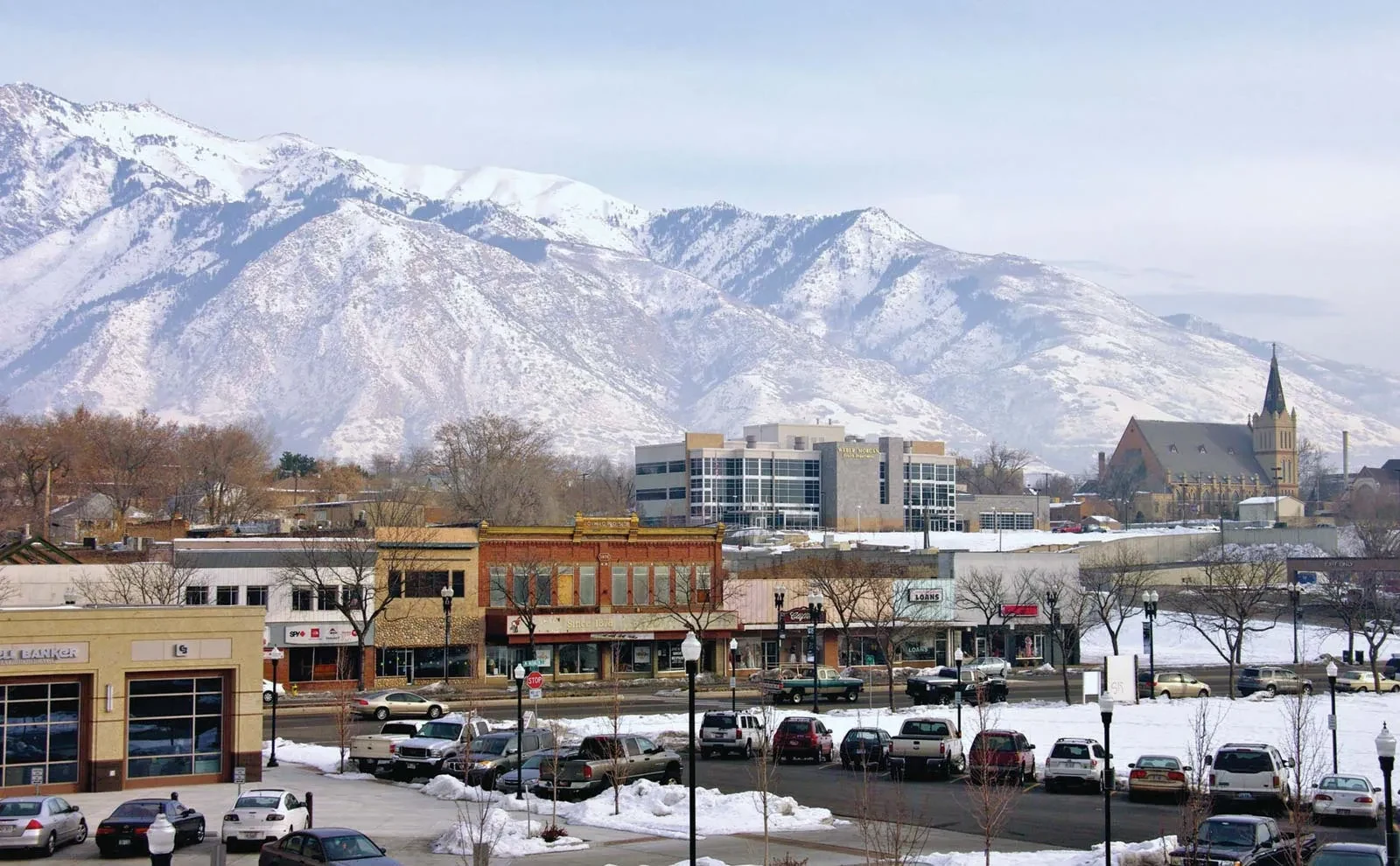
Union Pacific runs through Uintah on its way into the canyon, and the town itself is mostly residential with a small footprint of commercial and institutional buildings serving the immediate area. There's no distribution park or retail corridor here - that kind of work is in Clearfield or Business Depot Ogden, not Uintah.
What that means for roofing is straightforward: the jobs here are small, the buildings are older in a lot of cases, and the work is worth doing carefully because there isn't a next building down the road to fall back on if the first job goes wrong.
The canyon-mouth position also means Uintah shares some of the wind exposure concerns we account for in South Weber just down the valley. It's not the headline issue on a small institutional roof here, but it's still worth checking edge and fastening detail against, rather than assuming a quiet-looking town has no wind considerations at all.
The Institutional Buildings That Make Up Most of the Work
Most of what we'd quote in Uintah is institutional - a church building, a small municipal structure, maybe a business occupying a converted residential-scale building. These are modest roofs, often under 5,000 square feet, and they don't need the same systems or crew size as a distribution building.
We scope them at that scale rather than pushing a bigger system or longer warranty than the building or the owner's budget calls for. A small institutional roof doesn't need a 30-year system warranty if the building's realistic hold period is a fraction of that.
A converted residential-scale building can also carry roof framing and decking that wasn't originally built to commercial load standards, which matters if a heavier system is being considered. We check the structure before recommending anything beyond what the original framing was designed to carry.
Why Small-Job Quotes Get Padded or Underscoped
Small jobs are where we see the widest spread between quotes, because there's less competitive pressure and less scrutiny than on a big warehouse bid. Some contractors pad the number since it's a small enough total that owners don't push back. Others underscope it - skip flashing detail, skip proper tie-in at parapets - because the smaller total makes it easy to cut corners without anyone noticing until the leak shows up.
Mobilization cost is another place small-job pricing gets distorted. Traveling this far up the canyon for a single small roof carries real drive time and setup cost regardless of the roof's size, and a bid that doesn't account for that honestly either overcharges to compensate or cuts corners on materials to make the number work.
We price small Uintah jobs the same way we'd price a bigger one: material and labor itemized, flashing and tie-in work named specifically, and a scope that matches what the building actually needs rather than what's convenient to sell.
What We Include in a Small Uintah Bid
Because there isn't a lot of commercial building stock here to compare against, owners in Uintah often don't have a good local reference point for what a fair small-job quote looks like. We try to make that transparent.
Access can also be a real factor on a job this small - a narrow lot, tight parking, or limited staging space near the rail line changes how a crew mobilizes compared to a wide-open commercial pad elsewhere in the valley. We note site access constraints during the estimate rather than discovering them the morning the crew shows up.
- Itemized material and labor breakdown regardless of total job size
- Flashing and parapet tie-in work named specifically, not folded into "field membrane"
- A scope sized to the building's actual condition, not a minimum-margin default
- Warranty length matched to the building's realistic use, not oversold
- Clear statement of what falls outside the quoted scope before work starts
A small building deserves the same honesty in pricing as a big one - arguably more, since the owner has less room in the budget to absorb a bad surprise.
Uintah Roofing Questions We Hear
Is it worth calling multiple contractors for such a small job?
Yes. Small jobs see wider price and scope variation than big ones, precisely because there's less scrutiny on them.
Do small institutional buildings need the same warranty length as a warehouse?
Not necessarily - warranty length should match the building's realistic hold period and use, not default to the longest available option.
Why would a small job quote vary so much between contractors?
Because flashing and tie-in detail work often isn't itemized, so two bids that look similar on the surface can represent very different actual scopes.
Does Uintah's canyon-mouth location affect roofing here the way it does South Weber?
Similarly, yes - wind exposure at this end of the valley is worth factoring into fastening design even on a small building.
Do you take on jobs this small, or is it not worth your time?
We quote them the same way we quote any job - inspect the building, price what it needs. Size isn't a reason to skip the work.
Questions About Commercial Roofing Contractors Uintah, UT
Ready to Review the Roof?
Service Areas
Commercial roofing contractors serving Uintah, UT with commercial roof repair, replacement, coatings, maintenance programs, inspections, and documented roof reports.
Plan the Next Step