
- Roofing Guidance
- Roofing Manufacturers
Sika Sarnafil: A PVC Pedigree Worth Knowing
Sarnafil built its name on PVC membrane technology developed originally in Switzerland, decades before PVC became a common category on American commercial roofing bids, and Sika's acquisition of the brand folded that history into one of the larger global building materials companies. On a roof where chemical exposure makes PVC the right call, that pedigree is worth understanding rather than treating Sarnafil as just another line item on a generic single-ply comparison.
The Swiss PVC Heritage
Sarnafil developed its welded PVC membrane technology in Switzerland and built a long track record with that specific membrane chemistry before broader American adoption of PVC on commercial roofs. Sika, a Swiss specialty chemicals and building materials company, later acquired the Sarnafil brand, and the combined Sika Sarnafil name now covers a product range that still centers on that PVC and thermoplastic membrane expertise, alongside TPO and other roofing and waterproofing products the broader Sika organization manufactures.
That history matters practically because PVC welding technique and long-term membrane formulation are areas where accumulated manufacturing experience shows up in performance, particularly around seam weld consistency and the plasticizer stability that determines how flexible a PVC sheet stays over decades rather than just years.
Where PVC From This Line Fits in Ogden
The aerospace suppliers and manufacturing operations clustered near Hill Air Force Base and through Roy and Clearfield often run rooftop exhaust carrying oils, coolants, or solvent vapor, and that's exactly the exposure category where PVC's chemical resistance outperforms TPO over the roof's service life. A Sika Sarnafil PVC system is a reasonable manufacturer to evaluate specifically for that scenario, given the brand's PVC-focused engineering history compared to manufacturers where PVC is a smaller part of a broader TPO-centric catalog.
For a standard warehouse without chemical exposure concerns, the PVC premium over TPO usually isn't worth paying regardless of manufacturer, and a Sika Sarnafil bid should be evaluated against that same chemical-exposure logic rather than assumed to be the default best choice on every roof.
Weld Quality and Field Verification
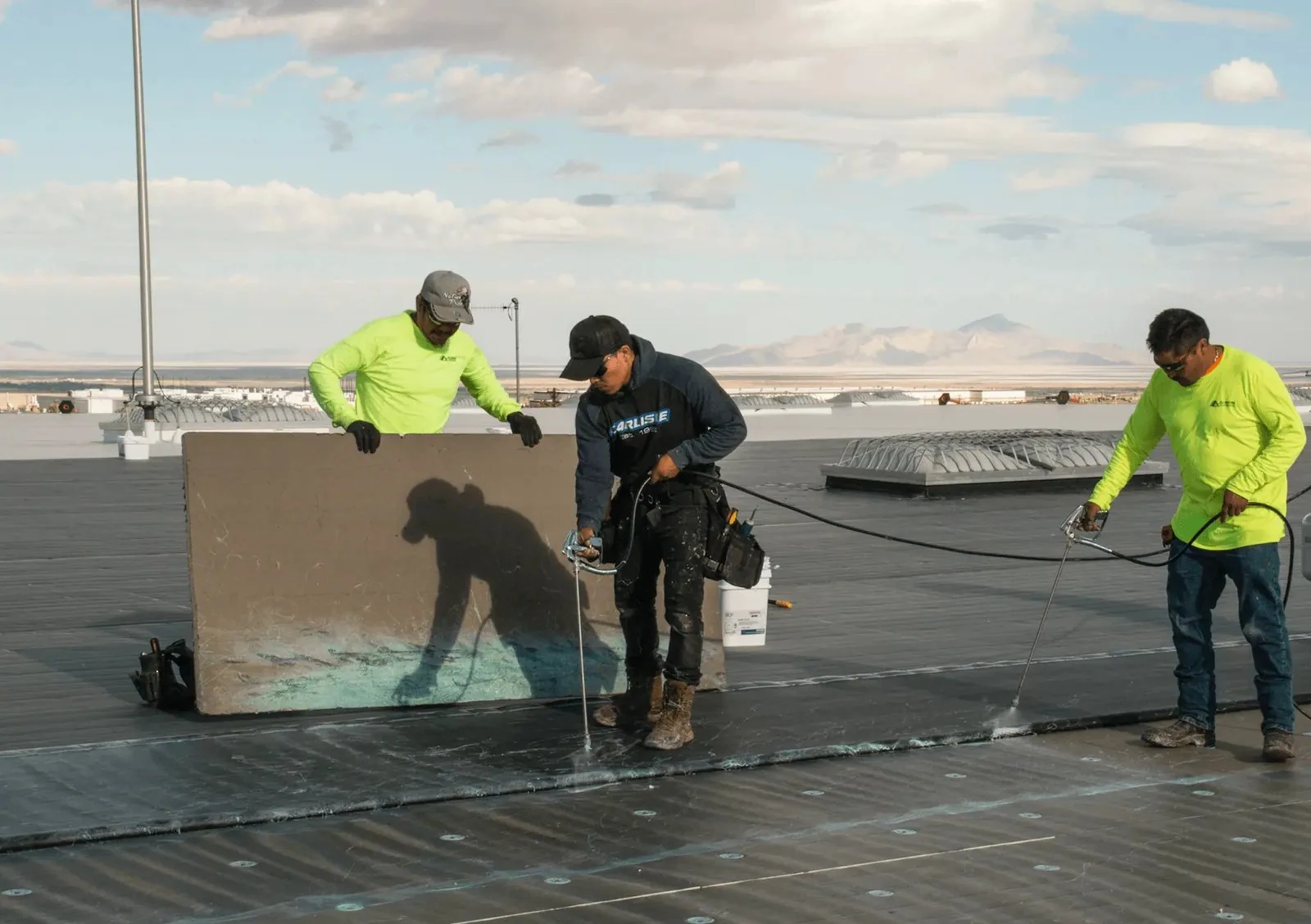
PVC seams are heat-welded, and Sika Sarnafil's product documentation specifies weld width and temperature parameters for its membranes specifically, which a crew needs to follow rather than applying generic PVC welding settings that might be calibrated for a different manufacturer's sheet formulation. Seam probe testing at regular intervals during installation, rather than just a spot check at the end of the job, is how weld quality actually gets verified rather than assumed from a clean-looking finished seam.
We ask any bidder proposing a Sika Sarnafil system how much specific experience the installing crew has with that manufacturer's product line, separate from general single-ply or even general PVC experience, since weld settings aren't universal across brands.
- Specific product named - PVC membrane gauge and whether it's the standard or fleece-backed line
- Crew's documented experience specifically with Sika Sarnafil's welding parameters
- Seam probe testing frequency and documentation during installation
- Whether chemical exposure on the roof justifies the PVC premium over TPO
- Warranty tier and term, tied to installer certification requirements
- Fastening or adhesion method matched to the building's wind exposure and deck type
Cost Positioning
Sika Sarnafil PVC systems typically price at a premium over standard TPO, consistent with PVC generally, and the brand's specialized manufacturing focus doesn't necessarily make it cheaper or more expensive than other PVC manufacturers on the market - that comparison depends on current material availability and regional supply. The cost conversation should center on whether PVC is the right membrane category for the building's exposure, and only after that on which specific manufacturer's PVC to use.
We show owners the TPO comparison alongside any PVC bid so the chemical-exposure reasoning is explicit, not assumed, and the cost tradeoff is visible rather than buried in a single-option proposal.
Long-Term Flexibility and Plasticizer Stability
Older-generation PVC membranes across the industry had a documented issue with plasticizer migration causing brittleness over decades, and current-generation formulations, including Sika Sarnafil's, have addressed that with more stable plasticizer packages. It's still reasonable to ask for a specific product's flexibility retention data from the manufacturer's technical documentation rather than assuming every PVC sheet on the market performs identically on this point, regardless of brand reputation.
Common Questions on Sika Sarnafil
Is Sika Sarnafil better than other PVC manufacturers?
The brand has a long specific track record with PVC membrane technology, which is a real factor, but installation quality and crew experience with that specific product line matter just as much as the manufacturer's reputation.
Does Sika Sarnafil make TPO as well as PVC?
Yes, the broader Sika organization manufactures TPO and other roofing products, though the Sarnafil name is most associated with its PVC membrane heritage specifically.
Why would I pay more for PVC instead of TPO?
PVC resists oils, greases, and certain solvents significantly better than TPO over time, which matters specifically on roofs with kitchen, paint, or machining exhaust. For a roof without that exposure, the premium usually isn't justified.
How do I know a crew is qualified to weld Sika Sarnafil PVC specifically?
Ask directly about their documented experience with that manufacturer's welding parameters and request seam probe testing records from the installation, rather than just general single-ply installation experience.
Does PVC from this manufacturer handle Ogden's snow load and wind well?
Wind uplift and snow load performance depend primarily on fastening or adhesion method and building-specific engineering, not on PVC chemistry versus TPO chemistry. Chemical resistance is the main reason to choose this membrane category here, not weather performance.
Questions About Sika Sarnafil Roofing Systems in Ogden, UT
Ready to Review the Roof?
Roofing Manufacturers
Sika Sarnafil PVC and TPO membrane systems for Ogden roofs with chemical exposure, and the welded-seam track record behind the Sarnafil name.
Plan the Next Step