- Roofing Guidance
- Commercial Project Types
Storage Facility Roofs Built From Metal, Not Membrane
Self storage development has followed the same growth line as everything else out toward Syracuse, Clinton, and the edges of West Haven, and most of these facilities use exposed-fastener metal roofing over the storage unit rows themselves, paired with a small office or leasing building that often has a completely different low-slope system up front.
Exposed Fastener Metal Has Its Own Failure Pattern
Metal panel roofs over storage unit rows rely on thousands of individual screws with rubber washers to stay watertight, and those washers degrade with UV exposure over time regardless of how well the panels themselves are holding up. A storage facility roof rarely fails as one dramatic event, it fails a few screws at a time, showing up as small rust streaks or pinhole leaks that a tenant might not even report because the unit contents are just stored goods, not an active workspace.
We inspect fastener condition specifically on these roofs rather than just eyeballing the panels from the ground, since a roof that looks fine from a drive-by can have dozens of failed washers concentrated on the sun-exposed south-facing slope.
Canyon Wind Uplift on Long, Low Buildings
Storage unit rows are long, low, and often oriented in parallel rows with wind funneling directly between them during a canyon wind event. Panel seams and ridge caps take real uplift stress in that kind of exposure, and we have seen entire panel sections peel back on buildings where the original fastening pattern did not account for the wind loading specific to this site geometry.
What a Bargain Storage Roof Bid Usually Skips
Storage facility owners often operate on thin margins per square foot, which pushes some roofing bids toward the cheapest possible fastener and panel spec.
- Upgraded fastener washers rated for extended UV exposure, substituted with a cheaper standard-grade option
- Ridge cap and end-wall trim sealant, treated as a one-time install with no maintenance plan
- Gutter and downspout capacity sized for the actual roof area instead of a standard assumption
- Office or leasing building roof, quoted separately even though it is usually a different system entirely
- Access planning for narrow drive aisles between unit rows during material delivery
We would rather spec the right fastener the first time than have an owner facing a full re-fastening project five years earlier than necessary.
The Leasing Office Roof Is a Different Project
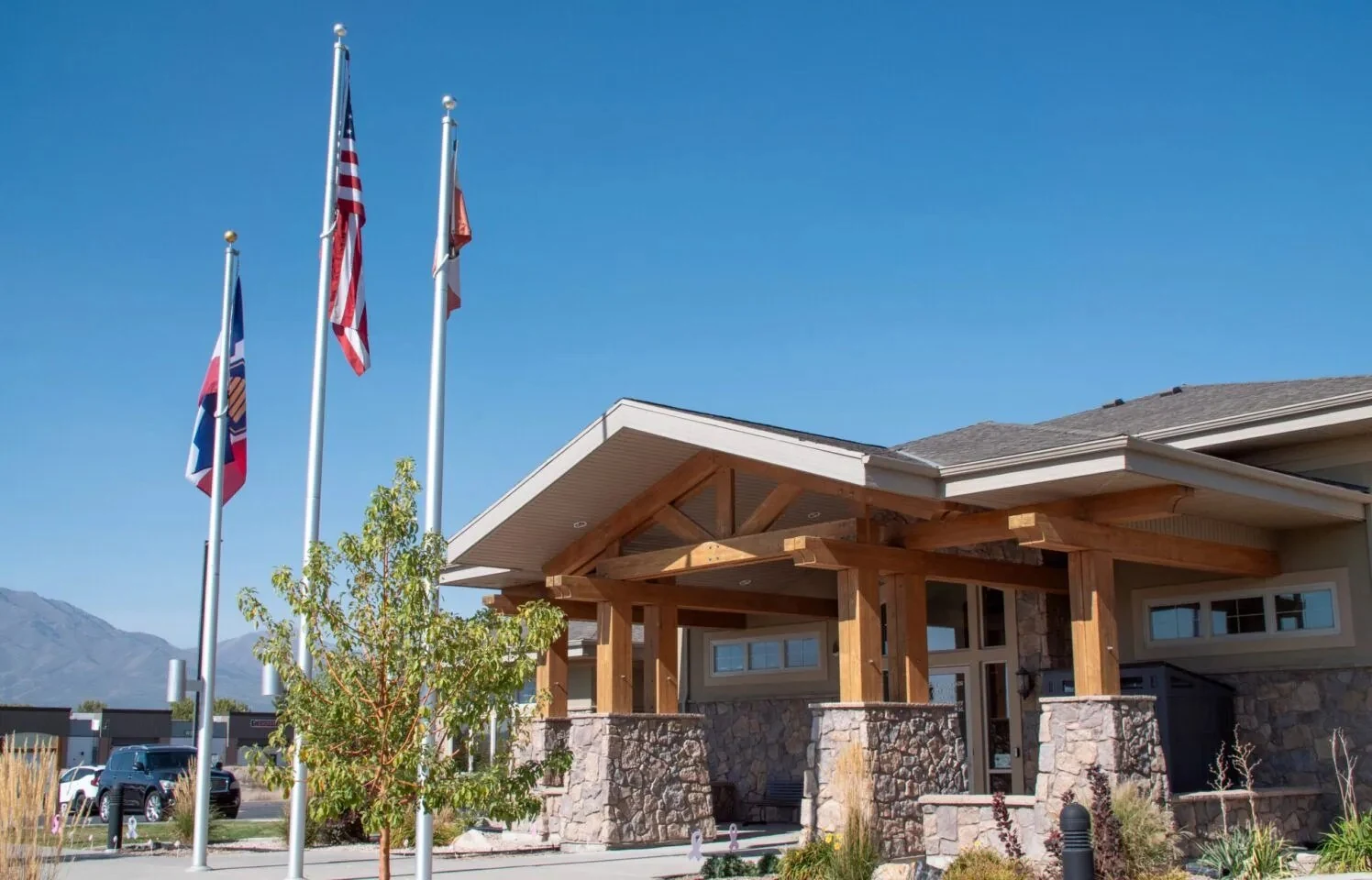
The small office or leasing building at the front of most storage facilities usually sits under a low-slope membrane roof, not metal, and gets overlooked because it is such a small fraction of the total roof area on the property. We evaluate it separately during any facility-wide inspection, since a leak over the manager's office and record storage is a real operational problem even on a five-acre property otherwise covered in metal.
Climate-controlled storage buildings, which are becoming more common as facilities compete on amenities, add rooftop HVAC equipment that a plain drive-up storage row never had. Those units bring their own curb flashing details onto what is otherwise a simple metal roof, and we inspect them with the same care we would give a small office building.
Low-Maintenance Does Not Mean No Maintenance
Storage facility owners sometimes assume metal roofing is a install-and-forget system, but a fastener re-torque and washer inspection program every few years catches failing screws before they become active leaks over paying tenants' belongings. We offer that kind of scheduled check specifically because it is cheaper than responding to leak claims after the fact.
A tenant's stored belongings are not covered by a facility's building insurance the way a resident's apartment contents might overlap with a landlord's coverage, and most storage leases put the burden of loss on the tenant's own insurance if they carry it. That does not mean an owner should treat roof maintenance casually, since a facility with a reputation for leaks loses tenants and referrals in a competitive self storage market.
Growth-Driven Construction Quality Varies
The pace of self storage development in this county over the past several years means some facilities were built fast to capture demand, and roof installation quality on those newer buildings is not always what an owner assumes it is. We inspect newer storage facilities with the same scrutiny we give older ones, checking fastener spacing and flashing detail rather than assuming a recent build date guarantees a sound roof. An owner who paid for a fast build sometimes ends up paying again a few years later to correct what the rushed schedule left behind.
Self Storage Roofing Questions We Get
Do exposed-fastener metal roofs need regular maintenance?
Yes. Fastener washers degrade with UV exposure over time and periodic re-torque and inspection catches problems before they become active leaks.
How do you access roofs between narrow storage unit rows?
We plan equipment and material staging around drive aisle width and access gates specific to each facility layout before work begins.
Is the office building roof inspected along with the storage unit roofs?
We evaluate it separately since it is usually a different roofing system, but we recommend including it in any full facility inspection.
What causes most leaks on metal storage facility roofs?
Failed fastener washers and worn ridge cap sealant are the most common causes, more often than panel failure itself.
Are storage facility roofs vulnerable to wind uplift in this area?
Yes, particularly on long parallel unit rows where canyon wind can funnel directly between buildings and stress panel seams and ridge caps.
Questions About Self Storage Facility Roofing in Ogden, UT
Ready to Review the Roof?
Commercial Project Types
Self storage roof repair for exposed-fastener metal building units and office fronts in fast-growing edge communities across Weber and Davis County.
Plan the Next Step