
- Roofing Guidance
- Commercial Roofing Services
Where Acrylic Coating Makes Sense and Where It Doesn't
A coating recommendation starts with adhesion, moisture, drainage, membrane condition, detail preparation, and warranty eligibility-not every existing roof is a restoration candidate. Acrylic coating costs less than silicone and delivers strong UV reflectivity, which makes it a good fit on a lot of the flat big-box and strip retail roofs along Harrison Boulevard in South Ogden and the Riverdale Road corridor. It is not the right coating for every roof, and any bid that recommends acrylic without asking about drainage and ponding history on the specific building is skipping a question that matters.
Where We Recommend Acrylic Over Silicone
On a roof with good drainage and no history of standing water, acrylic performs well and costs meaningfully less than silicone, which makes it the more sensible choice for a lot of the retail buildings we work on. Big-box stores and strip retail centers with well-designed roof drainage, minimal rooftop equipment, and straightforward geometry are usually good acrylic candidates. We also check parapet height and roof slope, since acrylic performs best on roofs with enough slope to move water off the surface within the manufacturer's recommended drying window after each rain. The reflectivity also helps with cooling costs on large flat retail roofs that take direct sun for most of the day, which matters to owners watching utility costs on a property with thin retail-lease margins.
We also look at how much rooftop equipment sits on a given roof before recommending acrylic. A roof crowded with HVAC units, ductwork, and conduit runs has more penetrations and flashing detail than a clean big-box field, and acrylic's lower elongation compared to silicone means those detail areas need extra reinforcement to hold up over the coating's service life.
The Single-Coat Shortcut Sold as a "System"
A proper acrylic coating job is a system: a base coat and a topcoat, applied at specified rates, sometimes with a separate primer depending on the substrate. We have seen bids that describe acrylic coating as a single line item and apply one coat where the manufacturer warranty requires two, which cuts material cost roughly in half while cutting warranty eligibility and service life along with it. A single coat may look fine when it goes on, but it will not hit the total dry-film thickness a two-coat system delivers, and it will not carry the same manufacturer warranty.
We provide product data sheets for both coats used on every acrylic project, listing manufacturer name, coverage rate per coat, and total system thickness, so an owner comparing our bid against another contractor's single-line acrylic quote can see exactly what the price difference represents.
Primer and Substrate Prep Is Where Adhesion Actually Happens
Acrylic coating needs a clean, properly primed substrate to bond correctly, and skipping pressure washing or primer to save a day on the schedule is a common shortcut that leads to peeling and delamination within a year or two, well before the coating's expected service life. We power wash and inspect the substrate before any coating work, and we do not apply coating over a membrane with active seam or flashing problems, because coating over a leak does not fix it.
What a Properly Applied Acrylic Coating System Includes
- Substrate power washed and inspected before any coating application begins
- Primer applied where the existing membrane requires it for proper adhesion
- Base coat and topcoat applied as a full two-coat system, not a single-coat shortcut
- Existing seams and flashing repaired ahead of coating, not coated over
- Dry-film thickness verified after application to confirm warranty eligibility
- Recoat interval documented so the owner knows when the next maintenance coat is due
Recoat Cycles and Keeping a Retail Roof Reflective
Acrylic coating loses reflectivity and thickness gradually through UV exposure, and a roof that goes too long without a recoat starts losing the cooling benefit that justified the coating in the first place. We recommend a recoat inspection on a set schedule rather than waiting for visible failure, since catching a thinning coating early is far cheaper than repairing water intrusion after it has already reached the deck.
We track recoat intervals for the roofs we maintain rather than leaving that timeline to the owner to remember, and we flag a roof for inspection as it approaches the expected recoat window instead of waiting for a call after water has already started coming through.
Questions About Acrylic Roof Coatings
Is acrylic as durable as silicone coating?
Acrylic performs well on roofs with good drainage but is more prone to softening under standing water than silicone. On a roof with ponding issues, we recommend silicone instead.
How do I know if a bid is quoting a full two-coat system?
Ask for the specific base coat and topcoat products and their application rates. We list both in every acrylic bid so the total system can be verified against the manufacturer's warranty requirements.
Will acrylic coating actually lower our cooling costs?
A reflective acrylic coating reduces roof surface temperature significantly compared to an aged, dark membrane, which typically translates into a measurable reduction in rooftop unit run time during summer months.
How often does an acrylic-coated roof need to be recoated?
Roughly every 8 to 10 years, though sun exposure and roof slope affect that timeline. We inspect on a schedule rather than waiting for visible wear.
Can acrylic be applied over metal roofing?
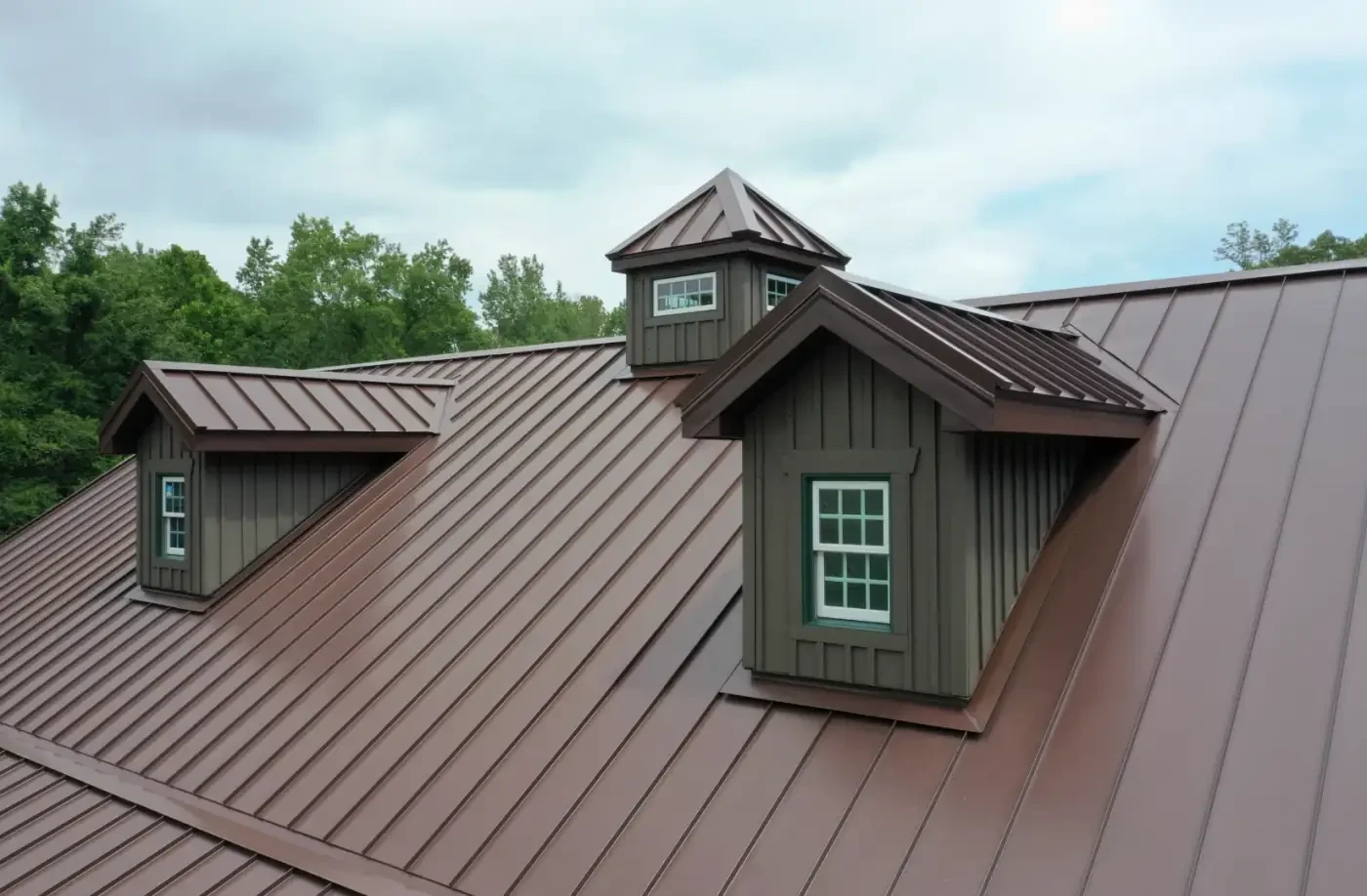
Yes, acrylic coatings work well on metal roofs with proper rust treatment and primer where corrosion is present, extending the service life of an aging metal roof significantly.
Questions About Commercial Roof Coatings in Ogden
Ready to Review the Roof?
Commercial Roofing Services
Commercial roof coatings in Ogden with candidacy checks, preparation requirements, restoration scope, drainage review, and warranty planning.
Plan the Next Step