- Roofing Guidance
- Commercial Roofing Services
Commercial Roof Insurance Claim Assistance in Ogden, UT
Most commercial roof claims are decided by two things: whether the damage got documented correctly the first time, and whether the repair scope written afterward actually matches what the roof needs. Owners in Ogden and across Weber and Davis County usually only go through this process once every several years, while adjusters go through it every week. That gap is where claims lose value, not because anyone did anything wrong, but because nobody on the ownership side was translating roof damage into the terms an insurance file actually runs on.
What an Ogden Commercial Roof Claim Actually Requires
A claim needs a cause that's consistent with a covered event, damage that's documented before repairs start, and a scope that names every affected component instead of a lump-sum guess. We inspect the roof, note the failure pattern, and separate what a specific storm caused from what was already wearing out. That separation matters more here than in a lot of markets, because a roof that's survived several winters of freeze-thaw cycling on the bench can show wear that looks similar to storm damage if nobody's looked closely.
We also document code and ordinance items a scope often misses: insulation R-value upgrades required on a full recover, drainage sizing if local code has changed since the roof was installed, or matching requirements when only part of a membrane run is being replaced. None of that is padding. It's the difference between a scope that gets your roof back to code and one that gets partially rejected later because it was incomplete from the start.
Meeting the Adjuster on the Roof
When an adjuster is assigned to a commercial roof claim, we'll walk the roof with them if you'd like us there. We point out what we found, explain the cause, and answer direct questions about roof systems, membrane condition, and fastening patterns most adjusters don't inspect roofs full-time to know. This isn't about arguing a number. It's about making sure the person deciding the claim has an accurate physical read of the roof rather than only photos taken from the ground.
Writing a Scope That Reflects the Full Damage
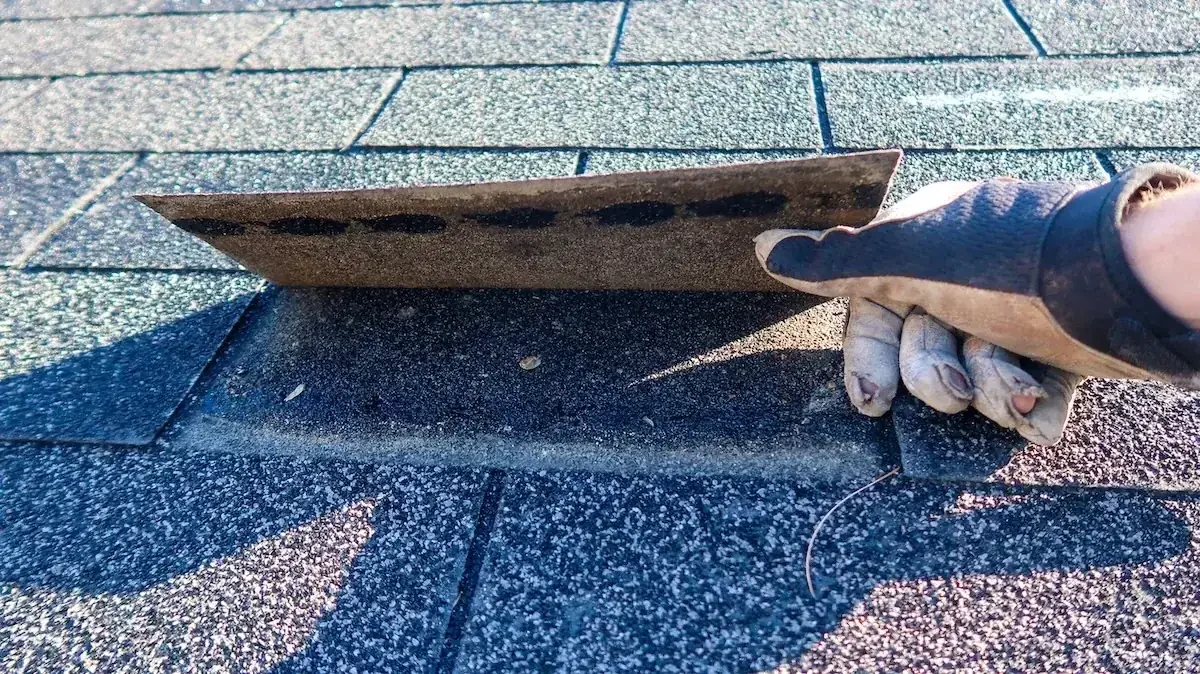
A roof scope that's too short usually isn't dishonest, it's just incomplete. Wind uplift at a parapet can loosen fasteners twenty feet away from any visible tear. Hail can bruise a membrane without puncturing it, which means the damage doesn't show up until the roof starts leaking a season later. We write the scope to the actual extent of the damage, including the parts that aren't obvious from a walk-through, so the claim reflects what the roof genuinely needs rather than only what's visible on the surface.
Older Roof Stock Around Ogden Changes How a Claim Reads
A lot of the commercial roof stock near the Union Station district and along 25th Street's historic commercial core is decades old, with built-up and modified bitumen systems that have been recoated or patched more than once. Insurers scrutinize claims on older roofs more closely, and a thin maintenance history can get storm damage partially attributed to age. Facilities tied to the aerospace and defense sector near Hill Air Force Base, along with the manufacturing and distribution buildings along I-15, tend to run larger single-ply and metal roof systems where a wind or hail event can affect a wide area at once, which raises the stakes on getting the initial documentation right. Buildings up on the bench also deal with more freeze-thaw cycling than the valley floor, and we note that context in the record so an adjuster isn't left guessing whether damage is new or gradual.
If a Claim Comes Back Denied or Underpaid
A denial or a lowball settlement isn't always the end of it. We can re-inspect the roof, compare our documentation against what the insurer's estimate actually covers, and point out where the two don't match. Sometimes that's a cause dispute, sometimes it's a scope gap, and sometimes the first estimate simply missed a section of roof. We'll give you a clear, honest read on whether an appeal has real grounds before you spend time pursuing one.
We're your roofing contractor, not a public adjuster. We inspect, document, and write the scope so you and your insurer are working from an accurate picture of the roof, but the claim itself, and the negotiation with your carrier, stays between you and them.
Claims by Cause
Ogden weather drives most of the claims we see. If a specific storm caused your damage, our peril-specific pages go deeper on documentation: snow and ice damage from winter freeze-thaw cycling, wind and storm damage from Weber Canyon windstorms, and hail damage from summer storm cells. Every claim also benefits from the underlying documentation support that ties the physical evidence together, and if the roof has active damage in the meantime, our emergency tarp and dry-in and storm damage repair teams can respond directly.
Insurance Claim Questions
Does insurance cover roof replacement?
It depends on the cause and your policy's specific language. Storm, wind, and hail damage are commonly covered perils, while roofs that fail from age or lack of maintenance generally aren't. We can help identify which category your damage falls into.
What does the claim process actually look like?
Typically: damage is discovered, we inspect and document it, you file with your insurer, an adjuster is assigned and often walks the roof, and a scope gets agreed on before repair or replacement begins. We support the documentation and adjuster-facing steps in that sequence.
What if my claim was denied or the payout seems short?
We can re-inspect and compare our findings against the insurer's estimate to see where the gap is coming from, then give you an honest assessment of whether that gap looks like a documentation issue worth appealing.
Who decides between repair and full replacement?
The extent of the damage and your policy terms drive that decision. We document the actual condition of the roof so that decision is based on real findings rather than a rough estimate from the ground.
Do you file the claim or negotiate with my insurance company for me?
No. The claim itself is between you and your insurer. We document the damage, can be present for the adjuster walk-through, and write an accurate repair scope, but filing and negotiating the claim stays your call.
How fast can you get out to document storm damage?
We prioritize storm response inspections, particularly after a canyon wind event or a significant hail cell, since timely documentation tied to a known storm date is one of the strongest things you can have in a claim file.
Questions About Commercial Roof Insurance Claim Assistance in Ogden, UT
Ready to Review the Roof?
Commercial Roofing Services
Roof damage documentation and adjuster coordination for Ogden commercial property owners working through an insurance claim.
Plan the Next Step